
The L-Plate Vegetarian

How to cook the basics

The trouble with most recipe books (and there are literally hundreds of great veggie recipe books available – see Viva!’s free Books for Life catalogue for inspiration!) is that they assume you know how to cook the basics. Recipes will tell you to ‘top with mashed potato’ or ‘serve with carrots and spinach’ etc, but they often don’t tell you how to cook these! They assume you know how – and if you’re new to cooking you probably won’t have a clue – how do you cook a jacket potato anyway? Well here are a few basics that should help you out and save you from a diet of baked beans and Smash!

Vegetables

Always try to buy organic vegetables as these are not grown using chemical fertilisers, pesticides, synthetic food dyes or artificial additives, they are also guaranteed free of genetic modification and irradiation. Waitrose has the widest range – however most other supermarkets offer some organic fruit and veg.

Obviously there are loads of different kinds of vegetables to choose from but the following selection should get you started! Always ensure that you wash vegetables very well and put them straight into water that is already boiling otherwise they may lose their colour and lots of the goodness will escape into the water. It is also good to cook vegetables for as short a time as possible (so that they are still crisp) – this helps keep more of the goodness in too!

Potatoes

Boiled: Peel in a bowl of water and cut into quarters (or just scrub and leave whole if new potatoes). Put in a saucepan and cover with water, add a sprinkle of salt and bring to the boil. Turn heat down and simmer for about 20 mins until they feel soft when a knife is stuck into them. If you’re not sure, just take a chunk out, cut it in half and taste it – you’ll soon know if it’s cooked!

Mashed: Boil as above and when very soft, drain, add a large knob of marg, some salt and pepper and a splash of milk or soya milk. Mash with a potato masher or a fork (add more milk or marg if it’s too dry).

Chips: any sort of potato can be used for chips, but ‘old’ ones (as opposed to ‘new’) are best – we suggest Desiree, Maris Piper, King Edward or Majestic. Peel the potatoes and then cut into chip shapes and drain on clean tea towel or kitchen paper. Pour vegetable oil (or sunflower) into a large pan (no more than one third full) and switch on the heat to medium/high and allow the oil to become hot. When it starts to smoke (but not bubble) turn the heat down slightly. This should take about ten minutes. Test to see if the oil is hot enough by dropping a chip in – it should bubble and rise to the surface. When hot, add the potatoes and allow to cook steadily so that they first become soft and then brown. When fried, remove the chips, drain on kitchen paper and serve.

WARNING: Hot oil is potentially dangerous and should be treated with care.

Or for an easy life – buy some oven chips and follow the instructions on the packet. These are actually better for you as they are lower in fat!

Jacket: scrub a large potato – prick it in a few places with a sharp knife and place in a pre-heated oven, gas mark 8/220??qC/450??qF for 1 to 11⁄2 hours, until it feels soft when you stick a knife in. Or scrub, prick and pop in a microwave on the highest setting for about 12 mins depending on your microwave.

Roast: peel the potatoes and cut into quarters. Put some oil in a baking tin, pop it in the oven and heat the oven to gas mark 5/190??qC/375??qF. Meanwhile boil the potatoes for just a few minutes (see boiled potatoes) then when the oil is hot, drain the potatoes and carefully place into the tin and coat well with the hot oil. Sprinkle with salt and roast in the oven for about 1 hour until they are golden.

Carrots: peel or scrape off skins, slice and boil for 15 mins in salted water. Serve with a knob of marg and any chopped herbs, eg parsley or chives.

French (green) beans: top & tail (ie chop off the tips of both ends of the beans) and plunge into boiling salted water – boil for 10 to 15 mins.

Peas: for frozen or tinned peas – follow instructions on packet or tin!

Broccoli/Cauliflower: cut off stalk ends & divide into florets. Cook in boiling salted water for 8-12 mins until tender.

Courgettes: top and tail, slice and fry in a couple of tablespoons of oil turning occasionally until golden brown (add crushed or sliced garlic for extra flavour), or boil for 5 mins.

Mushrooms: wipe clean with a damp cloth (do not wash unless very dirty). Either simmer for 5 mins in a couple of tablespoons of milk or soya milk and add some salt and pepper and a knob of marg, or fry gently in a couple of tablespoons of oil (preferably virgin olive oil) or marg for 2-3 mins.

White or red cabbage: cut into quarters, remove hard centre stalk. Separate leaves or slice into shreds. Cook in boiling salted water for 15 mins.

Spinach: wash very thoroughly. Discard any tough stalks and discoloured leaves. Boil in just a little salted water for 10 mins until tender. (Spinach cooks down enormously when cooked – in other words what starts as a big pile ends up as a small one – so allow a lot per person.) Try adding freshly squeezed lemon juice and marg after you’ve drained the spinach for extra flavour. For simple, quick ways of making vegetables more delicious, buy Green Gastronomy – available from Viva!’s Books for Life catalogue (call 0117 944 1000 for a copy).

Pasta

Weigh out approx 75g/3oz dried pasta or 150g/6oz fresh pasta per person. Bring a large saucepan of water to the boil, add a sprinkling of salt and plunge the pasta in. Check the packet to see how long to boil it for, but usually pasta takes about 12 to 15 minutes. Drain in a sieve and toss in marg to stop it sticking together, add some pepper or pour over your sauce.

Rice

The easiest way to cook dried long grain/ easy cook or basmati rice is to weigh approx 75g/3oz per person, put in a sieve and rinse through under the tap with cold water. Bring a saucepan of water to the boil then just tip the rice in and boil for about 10 mins until it is tender. Drain and then serve or add it to whatever dish you are cooking.

Eggs

Always use free-range eggs (available in all supermarkets) and make sure they are not past their sell by date. Remember that because of food poisoning risks old people, young children and pregnant women shouldn’t eat any raw or runny eggs – they must be cooked until they are completely hard. (Under twos shouldn’t eat them at all.)

A Word on Free-Range

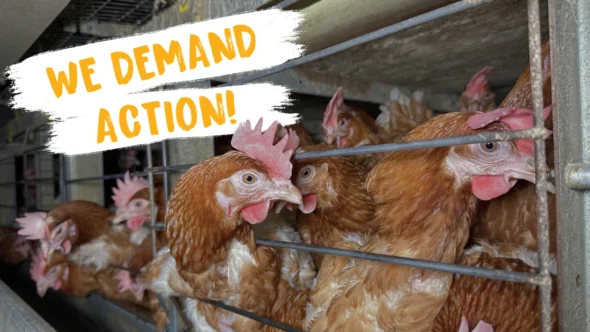
The egg box must say free-range for it to mean the hens could range outdoors freely! (Barn eggs are from hens crammed in their thousands on the floor of a shed; battery eggs are from birds packed in cages.) Try to buy Soil Association approved eggs as these guarantee a higher standard of animal welfare. Sadly, the RSPCA’s Freedom Food range does not mean the animals were necessarily free range. Freedom Food approves of hens being kept indoors all their lives and of debeaking! The Soil Association, Viva! and many other animal welfare groups believe debeaking (chopping off the end of the beak) is cruel.

Fried: cover the bottom of a small frying pan with a thin layer of vegetable oil and warm on a medium heat for a couple of minutes. Crack in the eggs – they will start to go white. Use a spoon to carefully splash the oil over the top of the eggs to set them. Keep cooking gently until there is no runny white left and the top of the yolks are cooked.

Poached: bring a saucepan of water to the boil and add a teaspoon of vinegar. Crack the eggs carefully into the boiling water and simmer gently for 3 minutes. Take out with a slatted spoon.

Boiled: the simplest of all! Bring a pan of water to the boil (with enough water to cover the egg) and then add the egg (still in its shell of course!) – use a spoon to gently lower it in or you’ll splash yourself with hot water and break the egg. Then, without removing the pan from the heat, allow the egg to boil for at least four minutes – longer if you want it really hard. Remove from the water and place in egg cup.

Omelettes: for each omelette beat two free range eggs together in a bowl, adding some salt and pepper. Melt a knob of marg in a non-stick frying pan over a medium to high heat and then pour in the eggs. Stir gently with a fork and when the bottom starts to set, push it back and gently tip the unset egg over onto the hot pan. Continue this until the omelette is cooked, (take care not to burn the underside – turn the heat down if necessary) remove from pan and serve. You could add a filling before you remove the omelette, such as tomatoes, mushrooms, chopped spring onion, etc and fold over the omelette, with the filling inside.

Scrambled Egg: melt a small knob of marg in a saucepan on a low heat. In a jug mix together two free range eggs, a tablespoon of milk and some salt and pepper. Beat with a fork and pour into pan. Keep stirring until all the egg is set and no longer runny.

Tofu

Tofu is the Japanese word for beancurd. It is made from soya beans which means that it’s very high in protein and low in fat. In fact it’s the richest and cheapest source of protein available in the world and is so popular in the Orient that tofu shops are as common as bakers in Britain.

You buy tofu in packets – watch out for Cauldron Foods tofu in most supermarkets in the chilled cabinets and Sanchi tofu, which is organic. It looks and feels a bit like a soggy sponge – but don’t worry, it tastes great! If you buy the plain version make sure you soak it in a sauce before cooking – otherwise it’s really bland. You can also buy smoked or marinated tofu which are much tastier and ready to cook without flavouring them first – take the tofu out of the packet, cut into thin slices and use in a stir fry with your fave veg. (Look in recipe books for other ways of cooking tofu.)

Sauce for Tofu

If you buy plain tofu, take a few minutes to soak it in a sauce such as the following before frying it:

1 heaped tsp grated ginger
2 cloves garlic crushed
2 tsp brown sugar
1 tbsp veg oil
2 tbsp soya sauce

Mix all the above together and pour over chopped up pieces of plain tofu. If you’re in a rush, fry it with other veg etc straight away. If not, soak the tofu in the sauce for an hour or two and fry in a wok until golden brown and crispy on the outside – mmm gorgeous!

Scrambled Tofu

This is a great alternative to scrambled eggs. One block of tofu (approx 250g) is enough for two people. Remove the tofu from its wrapper, pat dry using a clean tea towel and then squash it between two plates so that the excess water drains out. Add one tablespoon of oil to a frying pan and heat gently, then add one small finely chopped onion. When the onion is beginning to soften and brown (after about five mins) crumble in the tofu – it should be in small pieces about the size of peas.

Gently fry for a couple more minutes and add some turmeric (a yellow coloured spice sold in all supermarkets), a little bit of salt, pepper and then serve with toast and other breakfast things like grilled tomatoes and mushrooms. If you like things hot ‘n’ spicy, add a little chilli powder along with the turmeric or you could also add some finely chopped spring onion at the end to add some colour.


Viva! Vegetarians International Voice for Animals
8 York Court, Wilder Street, Bristol BS2 8QH, UK
T: 0117 944 1000 F: 0117 924 4646 E: info@viva.org.uk