The L-Plate Vegan

Nutrition

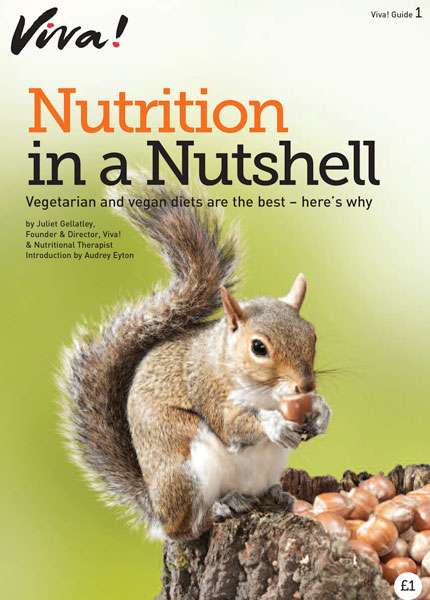
A balanced vegan diet is the healthiest diet on earth, and yet some people still have a few concerns about whether they will receive all the nutrients that they require. Let me put your mind at rest. (Further information in Viva! Guide 1 – Nutrition in a Nutshell.)

Protein

Protein is essential for growth, repairing tissues and protecting against infections. The eminent British Medical Association states that the vegan diet provides all nutrient requirements, including more than enough protein. According to leading nutritionists, it really is almost impossible to suffer from protein deficiency unless you go out of your way to do so – ie starve!

Protein can be found in pulses (peas, beans, lentils and soya products, eg soya milk, soya burgers and tofu), wholegrains (rice, wheat, oats, barley, buckwheat, pasta, bread), nuts (brazils, hazels and almonds etc) and seeds (sunflower, pumpkin, sesame etc).

Vitamin B12

The human body only needs a tiny amount of vitamin B12 per day (and B12 deficiency is very rare) but it is important to ensure you get a daily dose of this vital B vitamin. It is essential for the maintenance of a healthy nervous system, normal blood formation and helps to keep the heart in tip top condition. Vitamin B12 is found in many everyday foods that have been fortified with it such as yeast extracts (eg Marmite), many breakfast cereals, yeast-based spreads and patés, soya milk and soya margarines. Foods containing soya protein are also fortified with this vitamin such as TVP (textured vegetable protein), soya sausages and soya burgers.

While the daily requirement is only 1.5 mcg, some experts now believe that 3 mcg per day is a more healthy intake. This can be provided by, for example, an average 250ml serving of fortified soya milk plus an average 50g serving of fortified cereal plus a couple of pieces of toast with a spread of B12 fortified margarine and B12 fortified yeast extract. 

Iron

According to the British Medical Association, iron deficiency is a problem that affects meat eaters, vegetarians and vegans equally, particularly women in all three dietary groups. Iron can be found in green leafy veg, tofu, wholegrains such as wholemeal bread and wholegrain pasta, dried fruit, beans, lentils, molasses, many fortified breakfast cereals and cocoa. Pass the (plain) chocolate! 

Given that iron is so readily available, why is it that anyone suffers a deficiency? It seems that the problem is more to do with the absorption of this mineral, so it’s important to eat a continued supply of vitamin C as this enhances absorption by three to four times when eaten with iron-rich food. Good sources of vitamin C include green leafy veg, broccoli, parsley, frozen peas, green peppers, potatoes, tomatoes, citrus fruits, mangoes and blackcurrants.

Calcium

Finally, calcium. Did you know, for instance, that a serving of broccoli contains as much calcium as 200ml of cow’s milk? There are many other sources of calcium available to vegans – green leafy veg (watercress, spinach, fennel etc), leeks, pulses, nuts, seeds, tofu, fortified soya milk, hummus and figs.

As a child, you were probably told to drink cow’s milk for good strong bones, but studies into osteoporosis (brittle bone disease) show that although we do need calcium for our bones, we can lose it through our urine. People who eat diets based on animal protein (including cow’s milk) are likely to lose more calcium, and are therefore more at risk of osteoporosis than those who only eat vegetable proteins. This is partly because animal protein leaches calcium out of the bones, whereas vegetable protein does not.

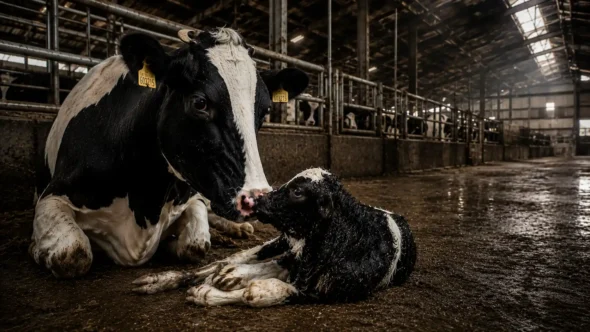
And take heart. It is completely unnatural to drink milk after weaning. And bizarre to drink the milk of another species. Cow’s milk is meant for calves; goat’s milk for kids and sheep’s milk for lambs!

So, you see, the vegan diet really is the healthiest option! There is little chance of a deficiency of calcium, or any other food group, vitamin or mineral, as long as you eat a balanced diet. 

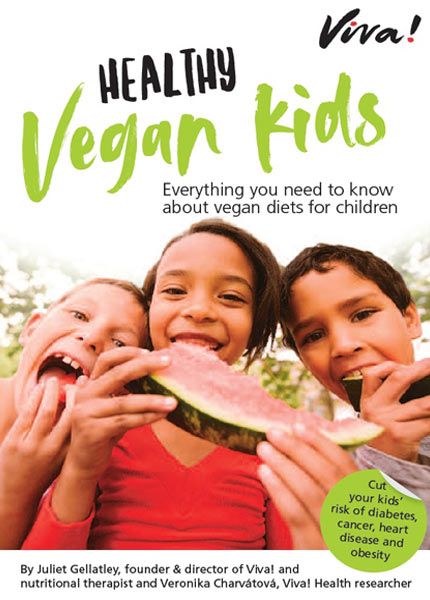
If you want to know more about nutrition, read Viva!’s Guides and the Vegetarian and Vegan Foundation’s (VVF) Veggie Health for Kids booklet. If you’re interested in vegan nutrition during pregnancy or for your baby, Viva! also produces the Vegetarian and Vegan Mother and Baby Guide. Get yourself a full list of all the Guides available from: Viva!, 8 York Court, Wilder Street, Bristol BS2 8QH. T: 0117 944 1000) and from the VVF at the same address. Alternatively, you can view all our guides and plenty more veggie info at www.viva.org.uk  and www.vegetarian.org.uk.

Next Section

 
B Good...

The human body only needs approximately one millionth of a gram of vitamin B12 per day. This means that a whole lifetime’s requirement adds up to about one seventh of the size of an aspirin tablet!

We Love VVF!…
  • For lots of info on vegan nutrition, contact the health charity The Vegetarian and Vegan Foundation. They have fab free fact sheets on everything from iron to leather and produce the best health mag – Veggie Health.

    For free info call
    0117 970 5190 (Mon-Fri).

    Or log on to:
    www.vegetarian.org.uk.

Dem Bones...

As a child, you were probably told to drink cow’s milk for good strong bones, but studies into osteoporosis (brittle bone disease) show that although we do need calcium for our bones, we can lose it through our urine.

People with diets based on animal protein (including cow’s milk) lose more calcium, and are therefore more at risk of osteoporosis, than those who only eat vegetable proteins.

This is because animal protein leaches calcium out of the bones, whereas vegetable protein does not.


Viva! Vegetarians International Voice for Animals
8 York Court, Wilder Street, Bristol BS2 8QH, UK
T: 0117 944 1000 F: 0117 924 4646 E: info@viva.org.uk